Dovlase

Live culinary learning — group sessions and private lessons, worldwide.

flame start learning
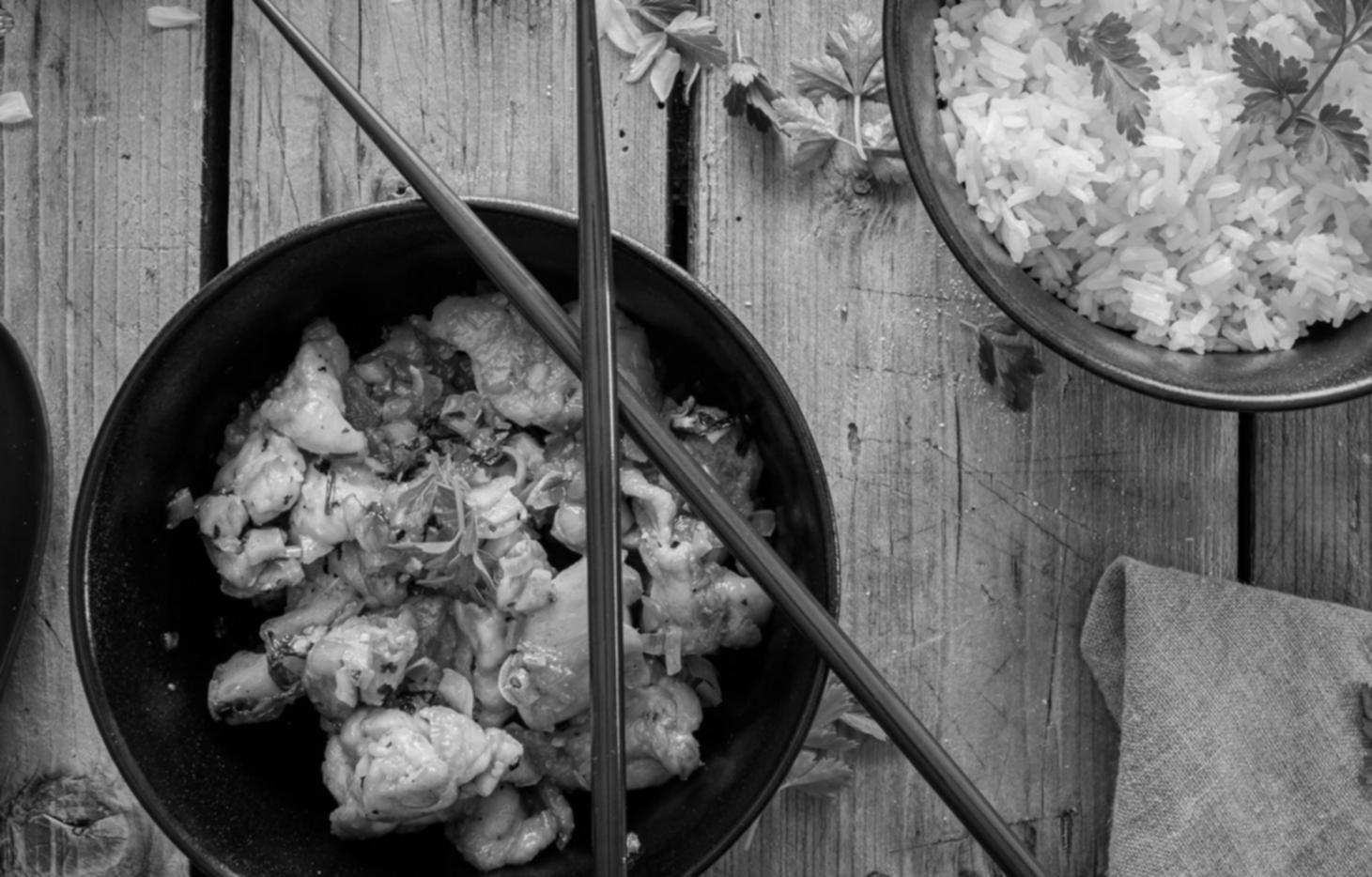
Culinary arts session at Dovlase online platform
04

Culinary learning, structured differently

Dovlase was built around one observation: most online cooking platforms treat every learner identically. Our approach separates the mechanics of skill transfer from the social dimension of learning — then recombines them deliberately.


Methodology

Three principles behind the curriculum

Each principle emerged from watching where learners stall — not from theory. The structure reflects what actually helps people retain technique and apply it under real kitchen conditions.

01

Spaced repetition of core technique

Knife skills, heat control, and emulsification appear across multiple sessions at increasing complexity — not as isolated lessons. Learners encounter the same mechanics in different dish contexts until the movement becomes automatic.

02

Parallel group and solo tracks

Group sessions introduce a technique through collective experimentation. Individual sessions give each learner time to troubleshoot their specific failure point. Both tracks share the same syllabus, so neither path falls behind.

03

Instructor feedback within 24 hours

Learners submit a short video of their dish after each session. An instructor reviews the technique — not just the result — and responds with specific notes. This closes the gap between what a learner thinks they did and what actually happened.


Live culinary instruction session with Dovlase instructor

What separates a live session from a recorded one

"A video can show you what caramelisation looks like. A live session can tell you that your pan is wrong before you burn anything."
  • Instructors can see your setup through the camera and flag issues with equipment or mise en place before you start cooking.
  • Sessions adapt mid-stream — if a technique is landing well across the group, the instructor moves faster. If three people are struggling, the session slows and rebuilds from a simpler step.
  • Learners in group sessions can share what worked and what failed. That exchange carries information a curriculum cannot anticipate.
  • All sessions are recorded and indexed by technique, so learners can return to a specific moment — not just the full session.

From the people inside the sessions

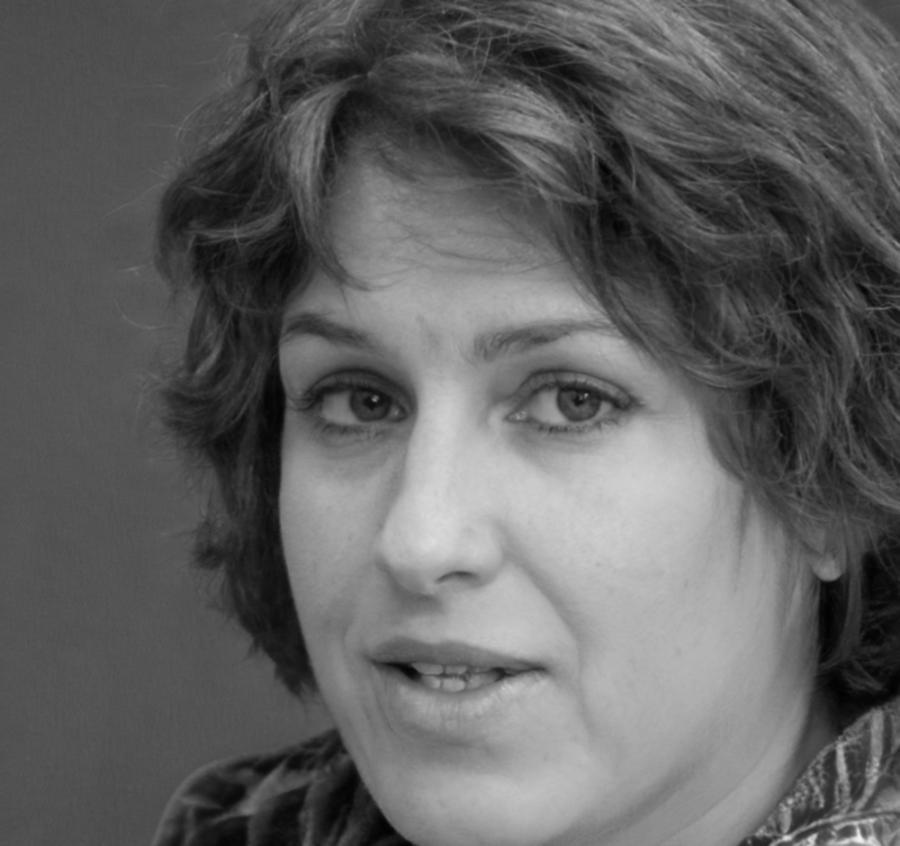
Portrait of Margit Vanhanen
Margit Vanhanen Pastry track, individual sessions

I had been watching pastry videos for two years without improving. The first individual session identified that I was measuring flour by volume — something no video ever flagged because they couldn't see my kitchen. That one correction changed everything about my bake.

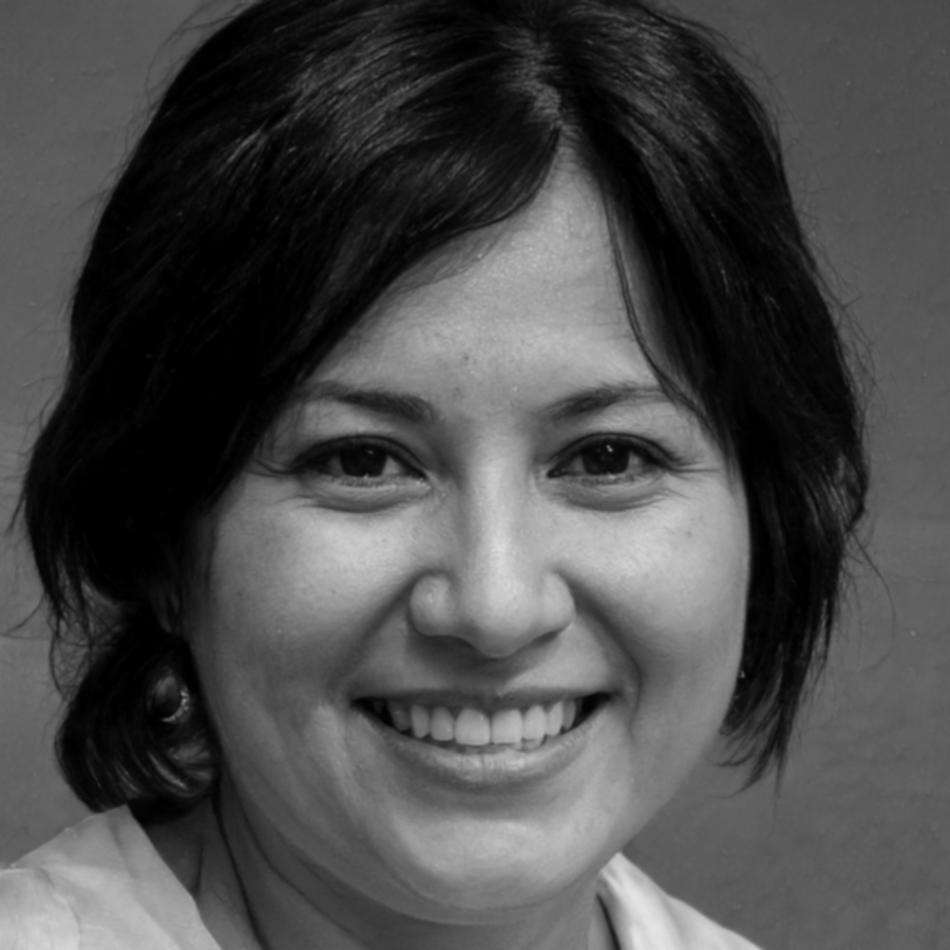
Portrait of Thea Olufsen
Thea Olufsen Group sessions, fermentation module

The group format surprised me. I expected it to feel generic, but the instructor used what other participants were experiencing as teaching material. When someone's starter wasn't rising, we all learned what to look for — not just that person.

8 learners max per group session
14 culinary technique modules
6 languages supported